1. A student snaps in half a CD-ROM the teacher really needed for her next class. The teacher decides to make a back-up copy of all her crucial disks so it never happens again. This is permissible.
- True, it is for educational use.
2. A technology coordinator installs the one copy of Photoshop the school owns on a central server so students are able to access it from their classroom workstations. This is a violation of copyright law.
2. False, because it belongs to one person and can’t be used by multiple people at the same time.
3. A school has a site license for version 3.3 of a multimedia program. A teacher buys five copies of version 4.0, which is more powerful, and installs them on five workstations in the computer lab. But now when students at these workstations create a project and bring it back to their classrooms, the computers (running 3.3) won’t read the work! To end the chaos, it’s permissible to install 4.0 on all machines.
3. False, because there are only 5 legal copies therefore, can’t be shared by other computers.
4. The state mandates technology proficiency for all high school students but adds no money to schools’ software budgets. To ensure equity, public schools are allowed to buy what software they can afford and copy the rest.
4. True, this is for educational use which makes it fair use.
5. A geography teacher has more students and computers than software. He uses a CD burner to make several copies of a copyright interactive CD-ROM so each student can use an individual copy in class. This is fair use.
5. False, this is not fair use because only the computers that have the software on it are allowed to use it. Looks like some students are going to have to do a thing called waiting.
6. A middle school science class studying ocean ecosystems must gather material for multimedia projects. The teacher downloads pictures and information on marine life from various commercial and noncommercial sites to store in a folder for students to access. This is fair use.
6. True. As long as it stays only on school grounds for an educational use, and isn’t going back up on the web, it is permissible
7. An elementary school designs a password-protected Web site for families and faculty only. It’s OK for teachers to post student work there, even when it uses copyright material without permission.
7. True. It is for school purposes and is protected, which means that it is not for public use.
8. A student film buff downloads a new release from a Taiwanese Web site to use for a humanities project. As long as the student gives credit to the sites from which he’s downloaded material, this is covered under fair use.
8. False. This is because it’s removing material from a website deeming it copyright infringement.
9. A technology coordinator downloads audio clips from MP3.com to integrate into a curriculum project. This is fair use.
9. True, the audio clips are legitimately made and they have their own archive.
10. A teacher gets clip art and music from popular file-sharing sites, then creates a lesson plan and posts it on the school Web site to share with other teachers. This is permissible.
10. False. Even though it’s for educational use, it is still being shared which means it’s still being redistributed.
11. A teacher videotapes a rerun of Frontier House, the PBS reality show that profiles three modern families living as homesteaders from the 1880s did. In class, students edit themselves “into” the frontier and make fun of the spoiled family from California. This is fair use.
11. True, it is used for educational use and isn’t spread throughout the web.
12. A student tries to digitize the shower scene from a rented copy of Psycho into a “History of Horror” report. Her computer won’t do it. The movie happens to be on an NBC station that week, so the teacher tapes it and then digitizes it on the computer for her. This is fair use.
12. True. This is for educational use and is still in an education institute.
13. A history class videotapes a Holocaust survivor who lives in the community. The students digitally compress the interview, and, with the interviewee’s permission, post it on the Web. Another school discovers the interview online and uses it in their History Day project. This is fair use.
13. True. The school implies the whole school which is used for educational use.
14. On Back-to-School night, an elementary school offers child care for students’ younger siblings. They put the kids in the library and show them Disney DVDs bought by the PTA. This is permissible.
14. False because Disney still owns the rights to the movie and it’s being shared without their permission.
15. A teacher makes a compilation of movie clips from various VHS tapes to use in his classroom as lesson starters. This is covered under fair use.
15. True, because he’s using just clips from the tapes in his classroom.
16. At a local electronics show, a teacher buys a machine that defeats the copy protection on DVDs, CD-ROMs, and just about everything else. She lets her students use it so they can incorporate clips from rented DVDs into their film genre projects. This is fair use.
16. True. It is for educational use and only that.
17. A number of students take digital pictures of local streets and businesses for their Web projects. These are permissible to post online.
17. True. This is public domain and no one owns the streets. For some businesses, they may find it copyright depending on where the picture was taken.
18. A student wants to play a clip of ethnic music to represent her family’s country of origin. Her teacher has a mp3 that meets her needs. It is fair use for the student to copy and use the music in her project.
18. False, because it’s not royalty free music therefore very not okay to use.
19. A high school video class produces a DVD yearbook that includes the year’s top ten music hits as background music. This is fair use.
19. False. Even if it’s background, and that means it still contains the music.
20. Last year, a school’s science fair multimedia presentation was so popular everyone wanted a copy of it. Everything in it was copied under fair use guidelines. It’s permissible for the school to sell copies to recover the costs of reproduction.
20. False, the school is distributing copies with full anticipation of doing so.
I haven’t posted any game related pictures on here yet, so here’s a lovely photo I took in Dark Souls III
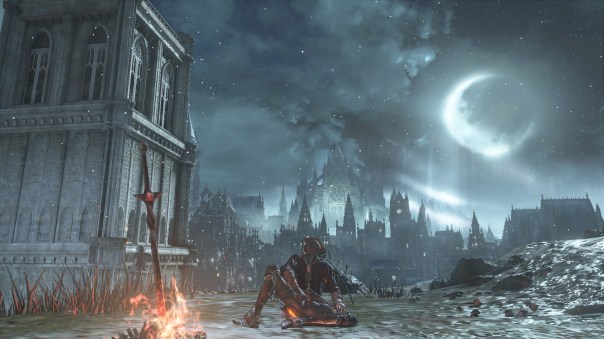
 CrimsonMan